民国早期广州西堤码头大道粤海关大楼
Mansion of the Canton Customs, Xidi Wharf Avenue, Guangzhou, Early Republic of China Era
此张银盐照(10.8*6.7cm)收藏是民国时期位于广州的粤海关大楼(今广州市荔湾区沿江西路),又称“大钟楼”。大楼建成于1916年,是中国大陆现存最古老的海关钟楼,是广州长堤商贸区的地标建筑,亦是广州近代西洋建筑典范;总建筑面积近三千三百平方米,楼高三十一点八五米,十分坚固,共花费三十万银元。
This daguerreotype (10.8*6.7cm) is the Mansion of the Canton Customs (now Yanjiang West Road, Liwan District, Guangzhou) in Guangzhou during the Republic of China era, also known as the “Big Bell Tower.” Constructed in 1916, this building is the oldest surviving customs clock tower in Mainland China. It is a landmark building in the Changdi business district in Guangzhou and a representation of modern Western architecture in Guangzhou. The total construction area is almost 3,300 square meters, and the height of the building is 31.95 meters; a very sturdy construction that cost 300,000 silver coins to build.
照片全景
Panoramic view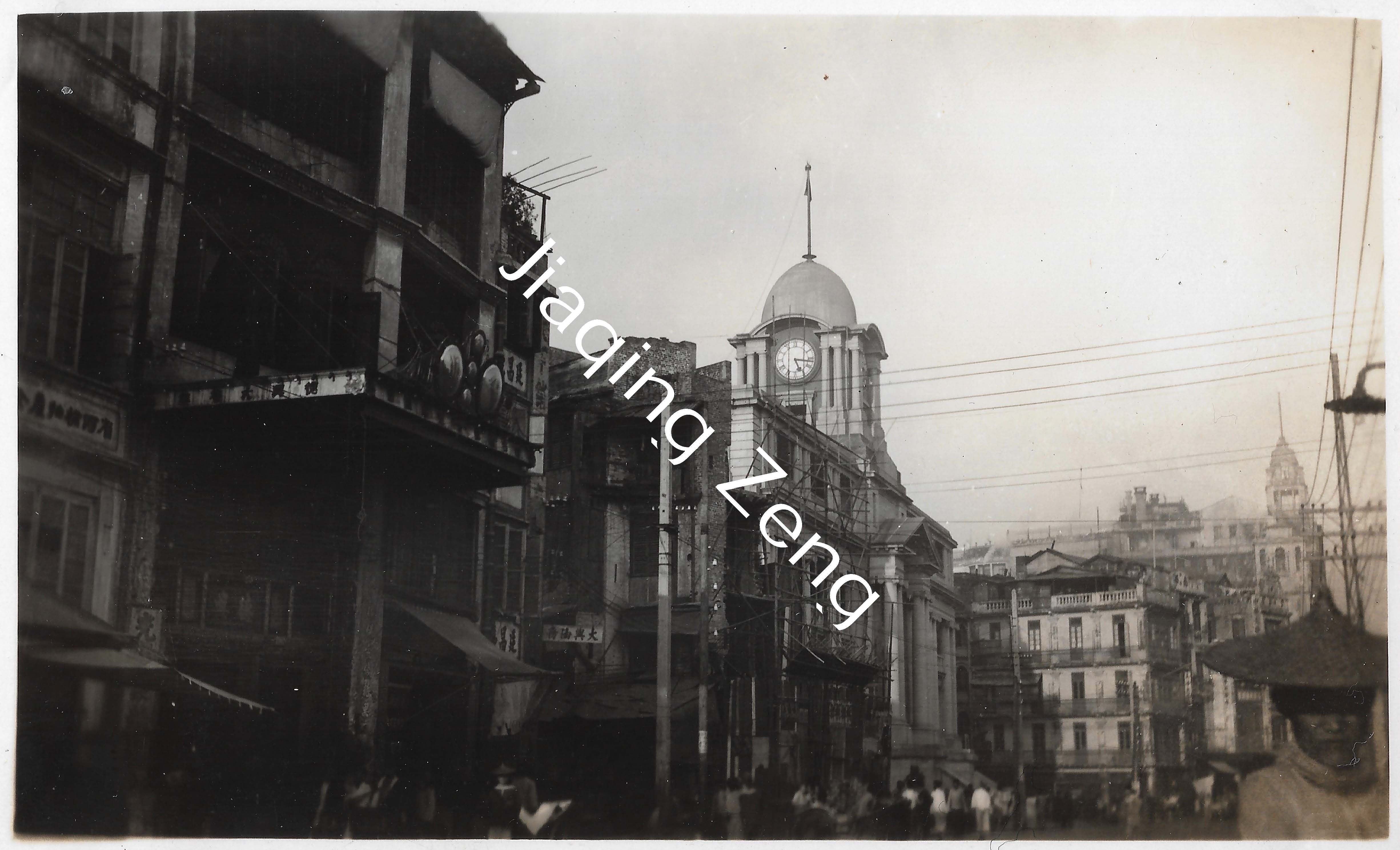
在全国现存的海关大楼中,粤海关大楼属于历史较长者,落成时间早于1927年落成的上海江海关大楼和1924年落成的武汉江汉关大楼。大楼所使用的大理石是来自云南大理,建筑仿照欧洲古典建筑形式设计,结构为整体钢筋水泥,正面外墙以花岗岩圆柱与条石镶砌,是广东最 早采用钢筋混凝土框架,垂直升降梯,进口内装饰(包括瓷片和马赛克)和设立逃生通道的建筑物之一。
Among the existing customs houses in the country, the Canton Customs House has a relatively long history. It was completed earlier than the Shanghai Jianghai Customs House (completed in 1927) and the Wuhan Jianghan Customs House (completed in 1924). The design was inspired by European classical architecture, with an integrally reinforced concrete structure; the marble used in the building is from Dali, Yunnan, and the front exterior wall is inlaid with granite columns and strips. It is one of the first buildings in Guangdong that adopted reinforced concrete frames, elevators, imported interior decorations (including tiles and mosaics), and escape routes.
西堤街景特写
Close-up of Xidi Street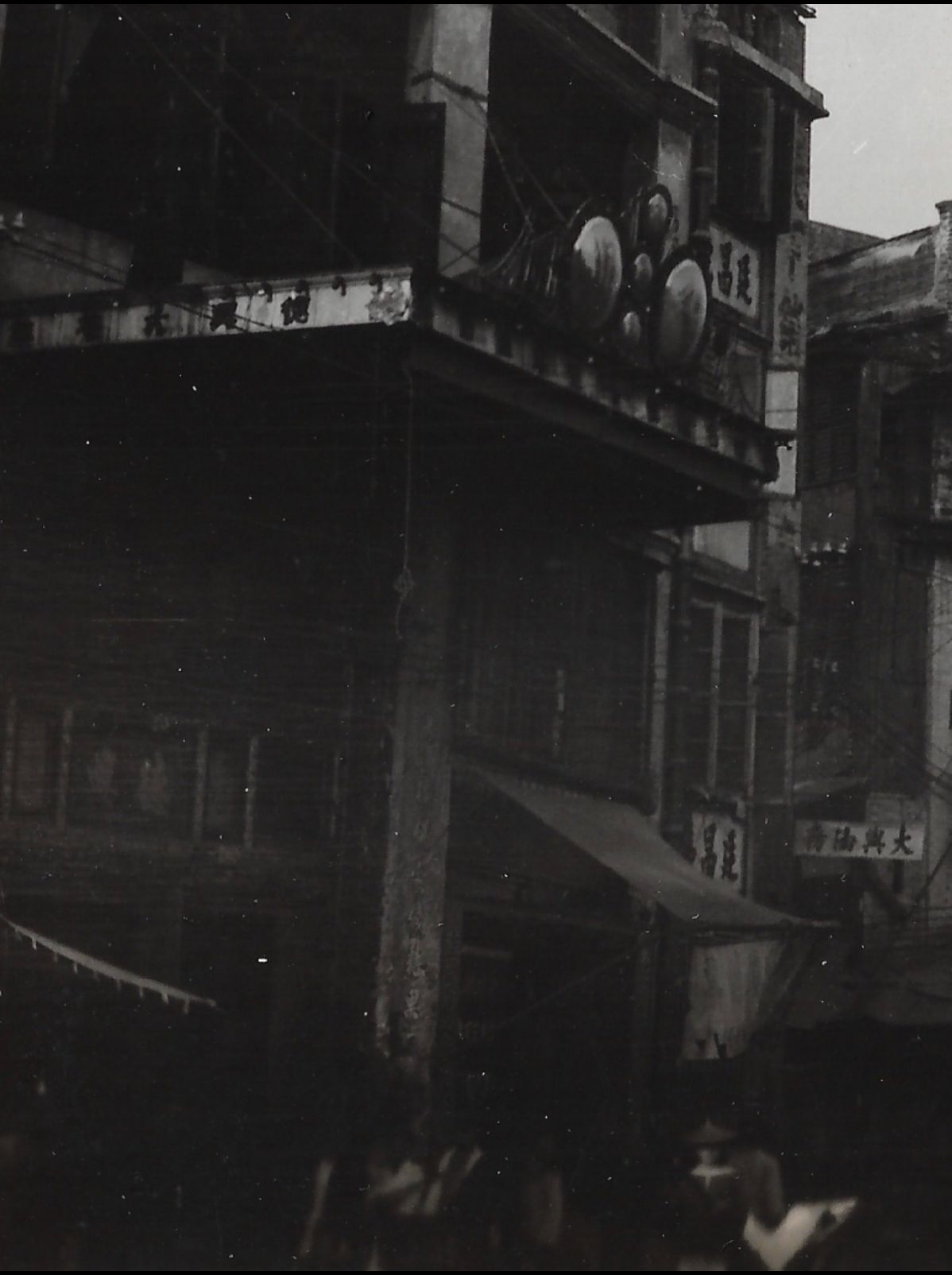
19世纪下半叶的两次鸦片战争后,广州被英法联军占领,粤海关开始逐渐由洋人主导。时沙面岛属于租界,为方便外籍人士办理公务,就在附近兴建了一栋共两层楼的粤海关税务司公署。然而,大楼在经历数次重修后最终被大火烧掉,后来就决定在附近兴建办公地点,也就是如今的“大钟楼”。
After the two Opium Wars in the second half of the 19th century, Guangzhou was occupied by the British and French forces, and foreigners gradually took over the Canton Customs. At that time, Shamian Island belonged to a concession. In order to facilitate foreigners to handle official duties, a two-story Canton Customs Commission Office was built nearby. However, after several refurbishments, the building was eventually burnt down. A new office building was established nearby afterward, and it has since become the “Big Bell Tower” that we know today.
屋顶机械大钟特写
Close-up of the rooftop mechanical clock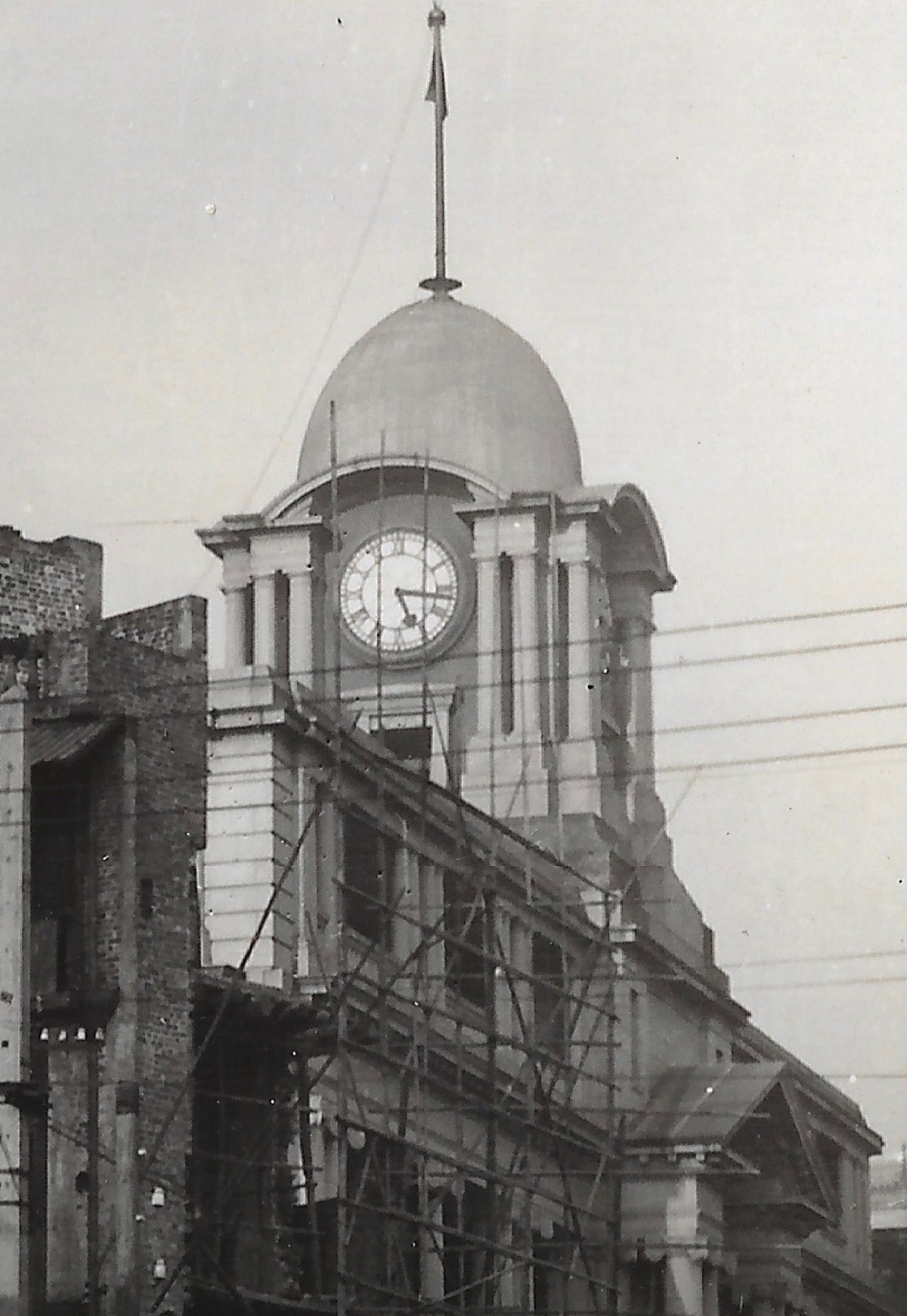
屋顶机械大钟为1915年英国制造,是现时全国历史最长的英国制全机械传动式立钟。
The rooftop mechanical clock was made in England in 1915, and it is the oldest British-made full-mechanical standing clock in the country.
繁忙的西堤大街
Busy Xidi Avenue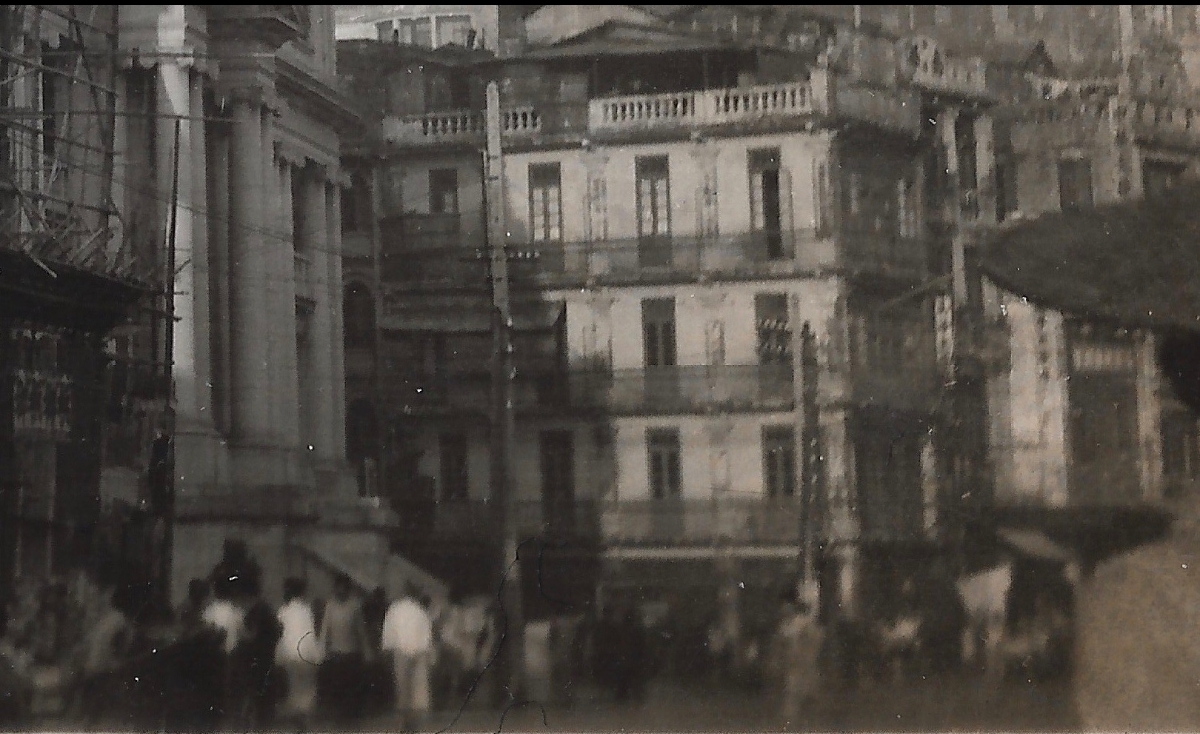
咸丰十年(1860年)粤海关税务司在现关址正式建立公署(外界称“洋关”)。民国三年(1914年)3月28日,时粤海关监督宋寿征、广东民政长李开酰、粤海关税务司梅乐和等人为粤海关工程奠基,民国五年(1916年)6月25日落成。
In the tenth year of the Xianfeng era (1860), the Canton Customs Commission formally established an office (known as “Yangguan” or foreign customs) at the current site. On 28th March of the third year of the Republic of China (1914), Song Shouzheng (Supervisor of Canton Customs), Li Kaiji (Minister of Civil Affairs in Guangdong), Sir Frederick Maze (Commissioner of Canton Customs), and others laid the foundation for Canton Customs project. It was completed on 25th June in the fifth year of the Republic of China (1916).
粤海关大楼东侧建筑
East side of Mansion of the Canton Customs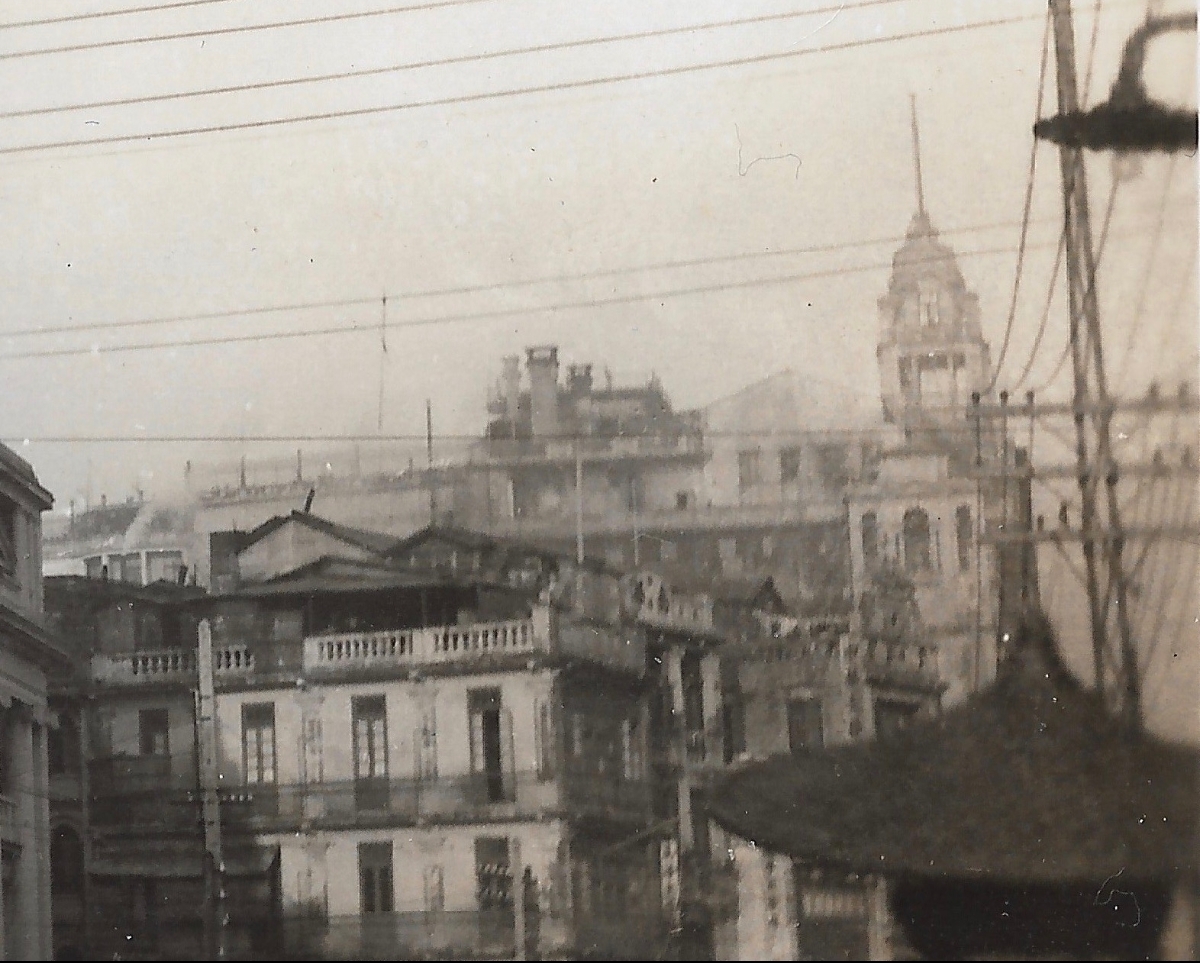
1931年6月1日,粤海五十里外常关改辖于海关机构,称分卡或分关,统归粤海关税务司署管理,而原来由粤海关监督管理的常关便退出了历史舞台。1949年10月14日广州解放。1950年1月31日,粤海关税务司署改称中华人民共和国广州海关,直属于中央人民政府海关总署。
On June 1st, 1931, sub-customs located 50 miles away from the Canton coast were reassigned to the management of the Canton Customs Commission, thus leading to the retirement of the sub-customs. On October 14th, 1949, Guangzhou was liberated. On January 31st, 1950, the Canton Customs Commission was renamed the Guangzhou Customs of the People’s Republic of China, directly under the General Administration of Customs of the People’s Republic of China.
今日粤海关大楼旧址
Mansion of the Canton Customs today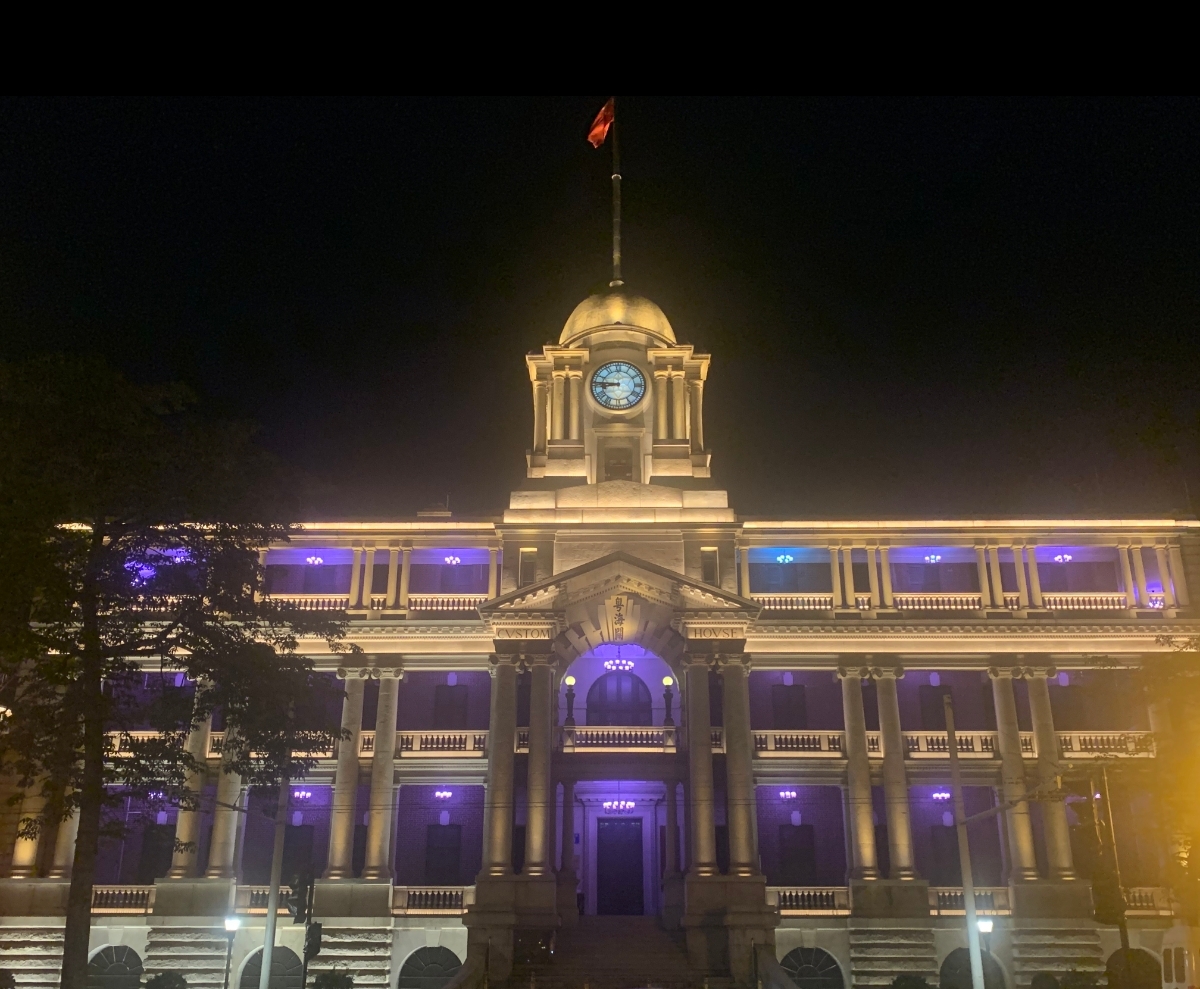
原正中拱券门上“粤海关”三字,1949年后曾改为“广州海关”,经修复后现改回“粤海关”下有拉丁文“CVSTOM HOVSE” (Custom House)。建筑由时任海关总税务司署的英籍总工程师建筑师大卫.迪克(David C. Dick)规划,英国皇家建筑师阿诺特.查理斯.达德利(C.D Arnott)设计,仿欧洲古典建筑形式,华昌工程公司承建。
The three characters of “Canton Custom House” on the original front arch were briefly changed to “Guangzhou Customs” in 1949. After restoration, they are switched back to “Canton Custom House,” with its Latin on below. The building was planned by David C. Dick (then British chief engineer and architect of the Chinese Maritime Customs Service) and designed by C.D Arnott (then British Royal Architect). The design imitates classical European architecture, and Huachang Engineering Company undertook the construction.
粤海关旧址
Mansion of the Canton Customs
广东省广州市荔湾区沿江西路29号
29 Yanjiang West Road, Liwan District, Guangzhou City, Guangdong Province